What Are Communication Skills? Complete Beginner's Guide (2026)
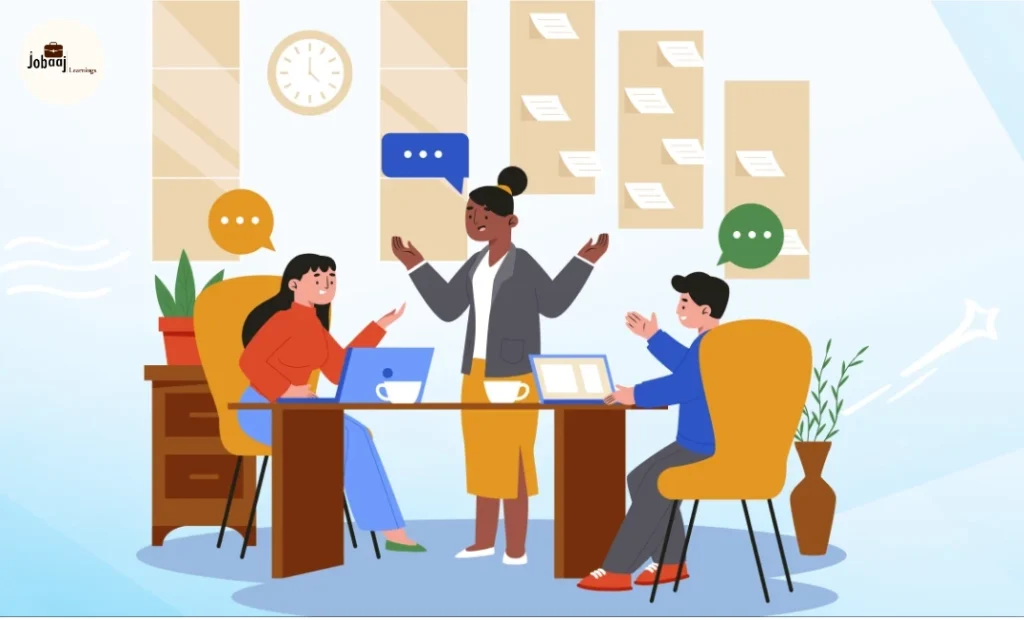
What Are Communication Skills? A Complete Beginner’s Guide
Communication is one of the most important life skills you can develop. Whether you’re speaking with friends, attending a job interview, working in an office, or leading a team, your ability to communicate effectively shapes your success.
Many people believe communication simply means talking. In reality, effective communication is much more than speaking. It includes listening, understanding, interpreting body language, writing clearly, and expressing ideas in a way that others understand.
In this complete beginner’s guide, you’ll learn what communication skills are, why they matter, the different types of communication, real-life examples, common mistakes, and practical ways to improve your communication every day.
What Are Communication Skills?
Communication skills are the abilities that help people share information, ideas, thoughts, and emotions clearly and effectively. Good communication ensures that the message sent by one person is understood correctly by another.
These skills include:
- Speaking clearly
- Listening actively
- Writing effectively
- Reading and understanding information
- Using appropriate body language
- Showing empathy
- Giving and receiving feedback
Communication is a two-way process. It involves both expressing your message and understanding someone else’s message.
Why Are Communication Skills Important?
Strong communication skills influence almost every area of life.
Better Career Opportunities
Employers consistently look for candidates with excellent communication skills. Whether you’re attending interviews, leading meetings, or collaborating with teammates, effective communication makes you more valuable.
Stronger Relationships
Healthy communication builds trust, reduces misunderstandings, and strengthens personal relationships.
Increased Confidence
People who communicate well often feel more confident when presenting ideas, asking questions, or expressing opinions.
Better Teamwork
Good communication helps teams solve problems faster and avoid unnecessary conflicts.
Improved Leadership
Successful leaders inspire people through clear communication, active listening, and empathy.
Types of Communication Skills
Understanding different types of communication helps you become a better communicator.
1. Verbal Communication
Verbal communication refers to speaking with others using words.
Examples include:
- Conversations
- Meetings
- Presentations
- Interviews
- Phone calls
Good verbal communication requires:
- Clear pronunciation
- Confidence
- Appropriate tone
- Logical flow
- Simple language
2. Non-Verbal Communication
Your body language often communicates more than your words.
Examples include:
- Facial expressions
- Eye contact
- Hand gestures
- Posture
- Personal space
Positive body language makes you appear trustworthy and confident.
3. Written Communication
Written communication involves sharing information through writing.
Examples:
- Emails
- Reports
- Blogs
- Text messages
- Social media posts
Good writing should be:
- Clear
- Concise
- Grammatically correct
- Easy to understand
4. Visual Communication
Visual communication uses images, charts, diagrams, videos, and presentations to explain ideas.
Businesses often use visual communication because people remember visuals better than plain text.
5. Listening Skills
Listening is one of the most underrated communication skills.
Active listening means:
- Paying full attention
- Avoiding interruptions
- Asking relevant questions
- Understanding before responding
Great communicators are excellent listeners.
Key Communication Skills Everyone Should Learn
Here are the most important communication skills beginners should develop.
Active Listening
Focus completely on the speaker instead of thinking about your response.
Clear Speaking
Use simple words and avoid confusing explanations.
Confidence
Speak with confidence without sounding aggressive.
Empathy
Try to understand another person’s feelings and perspective.
Emotional Intelligence
Recognize your own emotions and respond appropriately to others.
Feedback
Provide constructive feedback and accept criticism positively.
Adaptability
Adjust your communication style depending on the audience.
Real-Life Examples of Good Communication
Example 1: Job Interview
Instead of giving one-word answers, explain your experiences confidently and maintain eye contact.
Example 2: Workplace Meeting
Listen carefully, ask thoughtful questions, and summarize key points before sharing your opinion.
Example 3: Classroom
Students who ask questions and participate in discussions learn faster.
Example 4: Family Conversation
Listening patiently often resolves conflicts better than arguing.
Common Communication Mistakes
Many beginners unknowingly make these mistakes.
- Interrupting others
- Speaking too fast
- Poor eye contact
- Using complicated language
- Not listening carefully
- Negative body language
- Assuming people understand your message
- Ignoring feedback
Avoiding these mistakes can significantly improve your communication.
How to Improve Communication Skills
Improvement comes through consistent practice.
Read Daily
Reading books, articles, and newspapers improves vocabulary and sentence structure.
Practice Speaking
Talk to friends, join discussions, or record yourself speaking.
Improve Listening
Listen carefully without interrupting.
Expand Your Vocabulary
Learn a few new words every day and use them naturally.
Observe Good Speakers
Watch TED Talks, interviews, or presentations to learn effective communication techniques.
Ask for Feedback
Friends, teachers, or colleagues can help identify areas for improvement.
Practice Public Speaking
Speaking in front of groups builds confidence over time.
Benefits of Strong Communication Skills
Developing communication skills offers many long-term advantages.
- Better job opportunities
- Higher confidence
- Improved relationships
- Strong leadership abilities
- Better teamwork
- Increased productivity
- Easier conflict resolution
- Better academic performance
Communication is an investment that benefits every stage of life.
Communication Skills for Students
Students can improve communication by:
- Participating in classroom discussions
- Giving presentations
- Reading books regularly
- Joining debate clubs
- Practicing English speaking daily
- Asking questions without hesitation
These habits build confidence early.
Communication Skills for Professionals
Professionals should focus on:
- Writing professional emails
- Giving effective presentations
- Listening during meetings
- Negotiating respectfully
- Providing constructive feedback
- Managing workplace conflicts calmly
Strong communication often leads to career growth.
Frequently Asked Questions (FAQs)
What are communication skills in simple words?
Communication skills are the abilities that help people express ideas clearly while understanding others effectively.
Why are communication skills important?
They improve relationships, career opportunities, teamwork, leadership, and personal confidence.
What are the five types of communication?
The five main types are:
- Verbal communication
- Non-verbal communication
- Written communication
- Visual communication
- Listening communication
Can communication skills be learned?
Yes. Communication is a skill that improves with regular practice, feedback, and experience.
How long does it take to improve communication skills?
Most people notice improvement within a few months if they practice speaking, listening, reading, and writing consistently.
Final Thoughts
Communication skills are essential for success in school, work, and everyday life. They help you express ideas clearly, build meaningful relationships, solve problems, and create opportunities.
The good news is that communication is a learnable skill. By practicing active listening, speaking with confidence, improving your writing, and paying attention to body language, you can become a more effective communicator over time.
Start with small daily habits, stay consistent, and you’ll gradually see improvements in both your personal and professional interactions.
